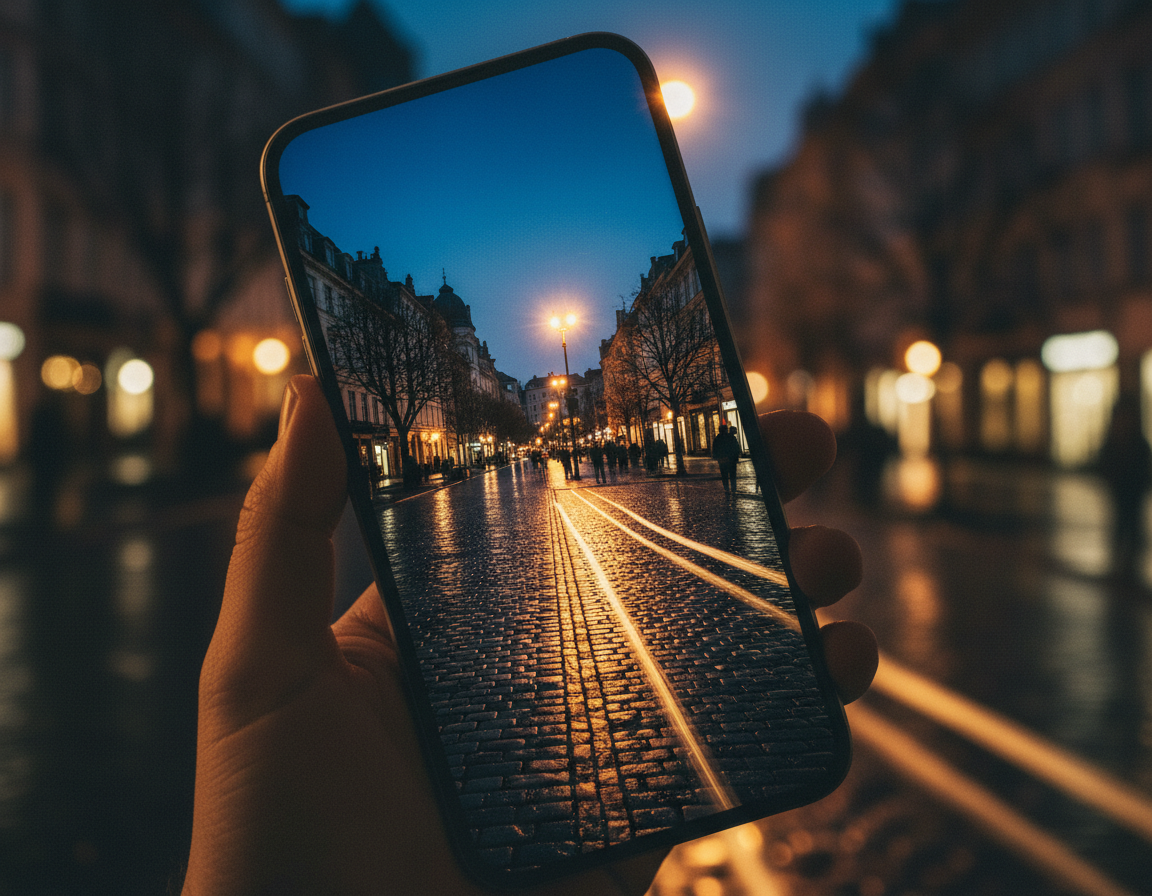
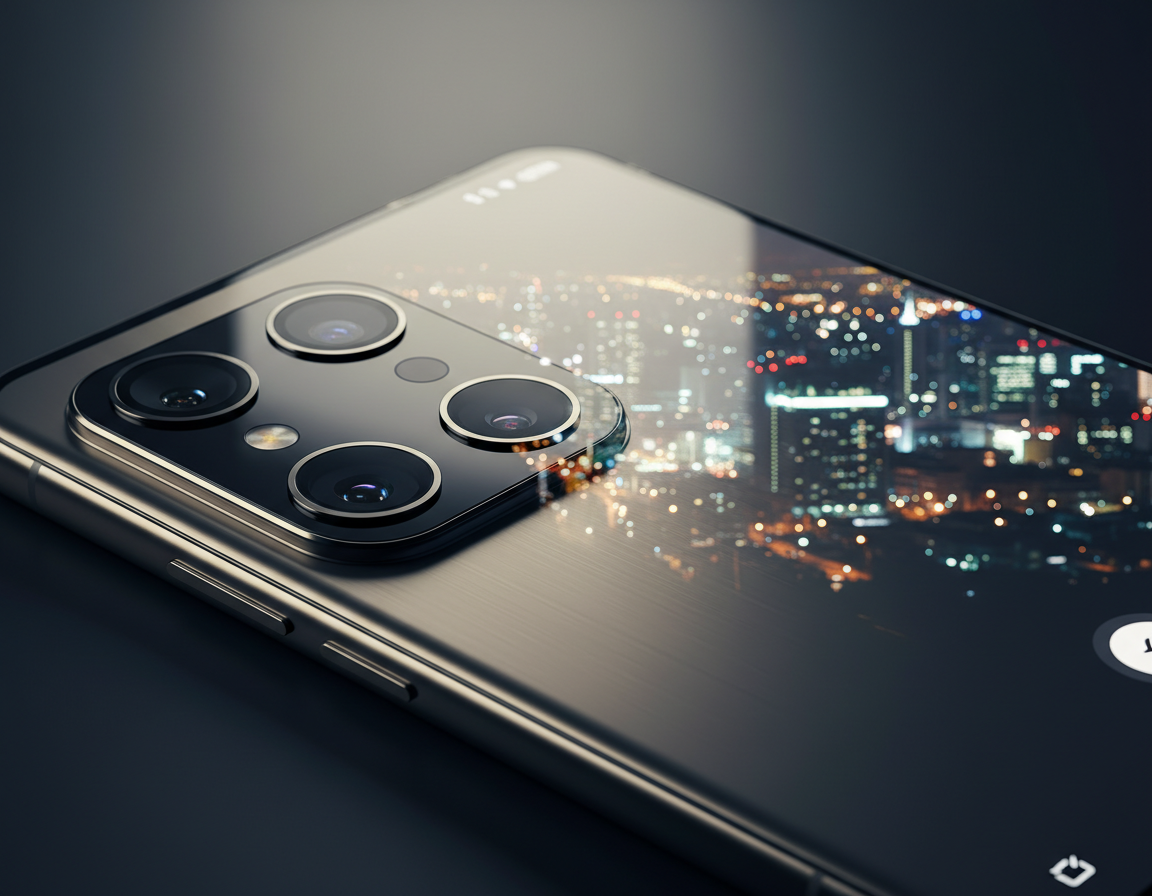
This guide explains how modern phone processing stacks up against traditional camera systems in low light. We focus on practical differences in hardware, software, and results. The goal is to help creators pick the right tool for each shot.
Night mode algorithms merge multiple frames to boost dynamic range and reduce noise. That approach trades some fine detail for cleaner images and easier shooting.
By contrast, mirrorless cameras keep control in the user’s hands. Larger sensors and wide apertures often preserve more texture and tonal range for demanding scenes.
This short intro sets the stage for a deeper look at sensor size, aperture, computational processing, and practical results in low-light photography. Expect clear comparisons, examples, and tips to choose the best camera or phone for your creative needs.
Understanding the Technology Behind Night Photography
Catching clean images after sunset now depends as much on algorithms as on optics. This section breaks down the two pillars that make modern low-light capture possible: computational processing and sensor evolution.
Computational Processing
Multi-frame AI changed how phones handle dim scenes. Modern devices can merge up to 30 exposures into a single, noise-reduced file. The Samsung Galaxy S26 series, for example, pairs an improved AI Camera with Nightography for both photos and video to produce usable results in tough conditions.
Software manages exposure and adjusts shutter speed automatically. That lets casual shooters get sharp pictures without fiddling with settings. Real-time processing and AI noise reduction preserve more detail than older algorithms.
Sensor Evolution
Sensor design matters. Bigger, more sensitive pixels collect more light and retain texture in dim situations. That hardware gain reduces reliance on extreme ISO boosts and heavy smoothing.
- Better light collection keeps finer detail.
- Hardware plus software speeds up results for on-the-go shooting.
- Manual cameras still offer control, but phones close the gap in many real-world cases.
Smartphone Night Mode vs Mirrorless Night Photography Performance
When light levels drop, modern phone processing and pro cameras take very different routes to a usable frame.
DXOMARK testing shows a rigorous way to compare devices under real low light conditions. Tests include night mode, bokeh, and zoom to reveal strengths in exposure control and noise handling.
In head-to-head trials the Xiaomi Mi 11 Ultra and Apple iPhone 13 Pro Max reveal different priorities. The Xiaomi Ultra can be slightly slower between shots due to longer processing. The iPhone Pro favors quicker capture with different noise and color tuning.
- Telephoto camera performance determines how much fine detail survives zooming.
- Dedicated camera bodies keep more raw control, which helps demanding scenes.
- Modern night mode systems deliver strong results for casual shots and video with minimal setup.
- Testing under identical conditions highlights which devices preserve detail while reducing artifacts.
Overall, advanced image fusion and stacking narrow the gap, but a dedicated camera still wins for ultimate texture and control. For most everyday low light shots, phone features make capturing usable images much better with less fuss.
The Role of Sensor Size and Optical Hardware
Sensor area and lens design form the core limits of any capture system. Before computational tricks, the physical hardware sets how much light reaches the detector. That baseline shapes noise, dynamic range, and the final image quality.
The Impact of Aperture
Sensor size matters most. A larger sensor gathers more photons and cuts noise in low light. The Xiaomi Mi 11 Ultra’s 1/2″ sensor in its 120mm f/4.1 tele camera is an example of pushing sensor size inside a phone form factor.
The lens aperture also controls light. The Apple iPhone 13 Pro Max uses an f/2.8 3x telephoto module. That wider aperture yields faster shutter speeds and less motion blur when exposure time is limited.
- Large sensor plus good glass keeps more fine detail.
- Smaller optics force a device to rely on software to rescue images, which many phones do pretty much well.
- High-quality telephoto camera integration is key for distant subjects without losing too much detail.
Overall, the Apple iPhone 13 Pro Max and Xiaomi Ultra represent peak hardware trade-offs. Each pro offers different strategies to maximize light and preserve detail in dim scenes.
Evaluating Image Quality and Dynamic Range
Low-light image quality often comes down to how well a capture system rescues shadow detail and preserves color fidelity. This section looks at how different devices handle those trade-offs in real scenes.
Shadow Detail
Shadow rendering is a key measure of dynamic range. The Vivo X70 Pro+ shows how modern processing can lift textures without blowing highlights. Its night mode can reveal much detail in areas that would be clipped in a standard shot.
For reference, a Sony A7R IV with a Loxia 50mm f/2 highlights what a full-frame camera retains in bokeh and microtexture. Comparing results makes the gap in raw detail and tonal accuracy obvious.
Color Rendering
Color decisions shape atmosphere. The Apple iPhone 13 Pro Max tends to aim for a more natural look, while the Xiaomi Mi 11 Ultra leans toward saturated blues and punchy tones. Each approach affects how believable a scene appears under low light.
- Evaluate shadow rescue versus increased noise and artifacts.
- Check color balance: natural tones or saturated presentation.
- Use reference cameras to judge how much detail and color accuracy remain.
Handling Flare and Challenging Light Sources
City light sources are a common stress test for how a capture system handles stray glare. Bright lamps and neon can create internal reflections that reduce contrast and hide fine detail.
The Vivo X70 Pro+ uses Zeiss-branded lenses to cut flare and ghosting. That coating helps in busy urban scenes where many artificial lights compete in a single frame. In our tests, the Xiaomi Ultra showed a wider area of low-contrast haze while the Apple iPhone Pro tended to render intrusive reflections more often.
How you position the device matters. Angle the camera away from direct light to keep reflections out of the lens. Small shifts can change whether a bright source creates streaks or a soft glow.
- Lens quality and coatings reduce scattered light.
- Software can identify flare and suppress it during processing.
- Test framing and exposure to find the cleanest results for night shots.
For deeper comparison and sample images, see our guide on evaluating nighttime image quality differences. Understanding how your camera handles flare is essential for clean, professional-looking images in low light.
Convenience and Spontaneity in Low Light
Catching fleeting city scenes after sunset usually favors the device you actually have on hand.
Carrying a full rig means planning. Often I own a tripod but leave it at home. That choice makes a big difference when a striking scene appears.
The Tripod Dilemma
Stability helps long exposures but slows you down. Traditional cameras often need a tripod to reach low shutter speed without blur.
Modern phones use strong stabilization and night mode processing to catch sharp images handheld. The Apple iPhone 13 Pro Max and Xiaomi Mi 11 Ultra are built to compensate for minor shake.
The result: you can capture moments that would be missed while setting up a tripod. If you want use a support, a compact smartphone tripod is far more portable than a full-sized stand.
- Grab-and-shoot convenience beats extra setup for spontaneous shots.
- Handheld stabilization reduces the need for a tripod in many conditions.
- For planned long exposures, however, a proper tripod still wins for fine detail.
For tips on keeping images sharp when shooting handheld, see this short guide on preserving sharpness online: preserve image sharpness when uploading mobile night.
Advanced Features and Computational Photography
Computational processing now stitches multiple frames, then refines color and noise to create a single usable picture.
Samsung’s Nightography shows how AI can optimize each pixel for hue and clarity. The Apple iPhone 13 Pro Max and Xiaomi Mi 11 Ultra follow similar paths, using complex algorithms to tune contrast and preserve much detail.
The Vivo X70 Pro+ offers selectable Zeiss simulations like Distagon and Sonnar to shape bokeh in creative shots. These lens profiles give phone images a more organic look without manual lens changes.
Still, a dedicated camera gives full manual control over shutter speed and aperture when you need it. Computational features, however, make everyday low light results much better than older phone tech.
“Computational photography is not just brightness — it’s the smart recovery of detail in both shadows and highlights.”
- AI modes improve handheld images and short exposures.
- Simulated lens traits add pleasing bokeh and tone.
- Same processing boosts video quality in dim scenes.
Limitations of Digital Zoom and Processing
Cropping and interpolation cannot replace lost photons when light is limited. Digital zoom relies on software and pixel scaling rather than optical magnification. That shortcut is convenient, but it reduces fine detail fast.
In low light, a digitally enlarged frame shows more noise and softer edges. Night mode processing can help, yet it often struggles with zoomed-in areas and produces odd textures.
Use the native telephoto camera when possible. The Apple iPhone Pro and Xiaomi Ultra have strong zoom systems, but they still face physical limits of light collection.
- Stick to native focal lengths for the cleanest results.
- Avoid heavy digital crop in low light; noise increases sharply.
- Frame wider and crop later if you must preserve detail.
Optical zoom on dedicated cameras keeps image quality because it moves glass, not pixels. Until phones improve intermediate zoom optics and software, native lenses give the best night results for both photos and video.
Conclusion
strong, Flagship phone processing has closed much of the gap with dedicated camera bodies for everyday low light work.
Modern systems pair larger sensors and smarter stacking to make handheld shooting simple. For casual use, the convenience of a phone night mode often outweighs carrying extra gear. You can get usable, low-noise image results without long setups.
Still, if you need ultimate control and the finest texture and detail, a dedicated camera remains the better choice. Match your tool to your goals: portability and speed, or maximum image quality. Both paths continue to improve, so learn your device and shoot confidently in dim scenes.