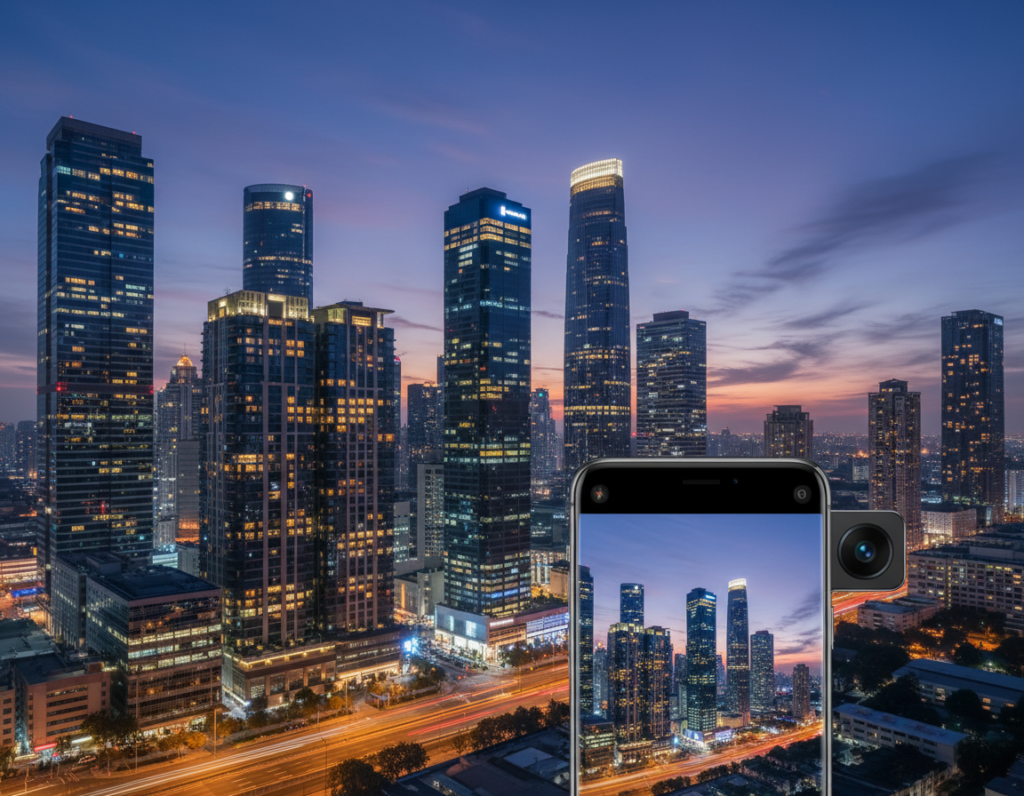
This short guide shows how to capture car trails and streaked scenes with the gear you already have. The goal is practical: make motion-filled city photos without specialized rigs.
Think timing and intent — not gear. A phone can be a reliable camera when you learn simple stabilizing moves, pick the right time of day, and notice the moment. Many creators found progress by shooting often and refining their look with presets like VSCO.
We will cover planning a street scene, several mobile techniques (long-exposure style, panning, freezing, zoom/ICM), plus editing tips to make consistent images. Expect step-by-step advice on how to steady your device, choose locations and times, and edit a repeatable workflow.
This guide treats the smartphone as a legitimate tool because it is always on you and less intrusive. The creative thesis is clear: strong photography comes from what the photographer notices — timing, emotion, and intent — more than the brand of camera.
Why smartphones excel for street photography motion and light trails
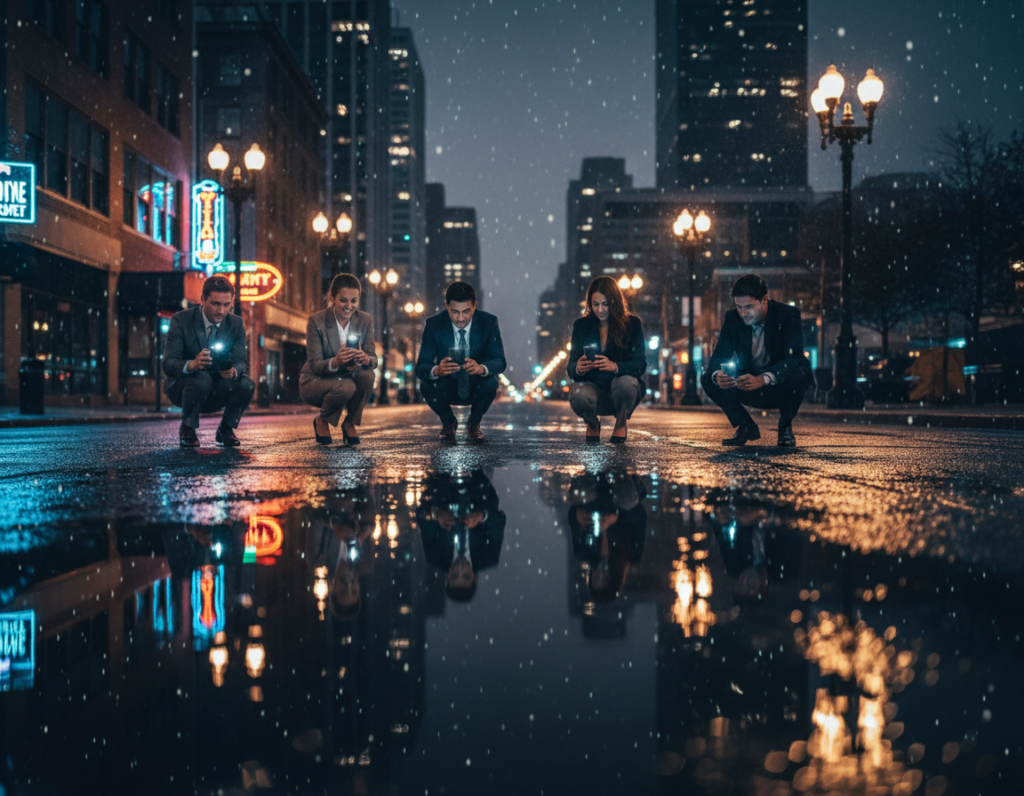
When your device is always at hand, you practice more and spot decisive moments faster. That steady repetition turns curiosity into skill, and quick feedback on social platforms speeds learning.
Always-with-you advantages that speed your learning
An always-available camera lets you take daily reps, test motion ideas, and learn timing for passing vehicles and pedestrians. Repetition helps your eyes read patterns and predict moments that make stronger photos.
Unobtrusive shooting for authentic scenes
Small size keeps people natural. Try composing as if you frame the background so subjects stay candid. This method yields honest image and emotional connection that many full-frame setups miss.
Focus on composition, timing, and light
Phones often include Night or long-exposure modes that make streaks readable with a wide field of view. But sensors have limited dynamic range, so seek softer light at dawn or dusk and avoid harsh midday contrast.
- Start in familiar blocks to build confidence.
- Practice quick focus/exposure lock before a shot.
- Shoot often so timing becomes intuitive.
For more detailed smartphone photography tips, read a full guide on practical techniques and settings.
flowing traffic lights smartphone urban photography: plan the scene before you shoot
Plan your street shot like a short film: pick where motion will enter and where the eye should rest. A quick recon of the block saves time and makes images stronger.
Scout streets for leading lines and reflections
Walk the route and note intersections, one-way corridors, and crosswalks. These places give predictable vehicle paths and repeating signal colors.
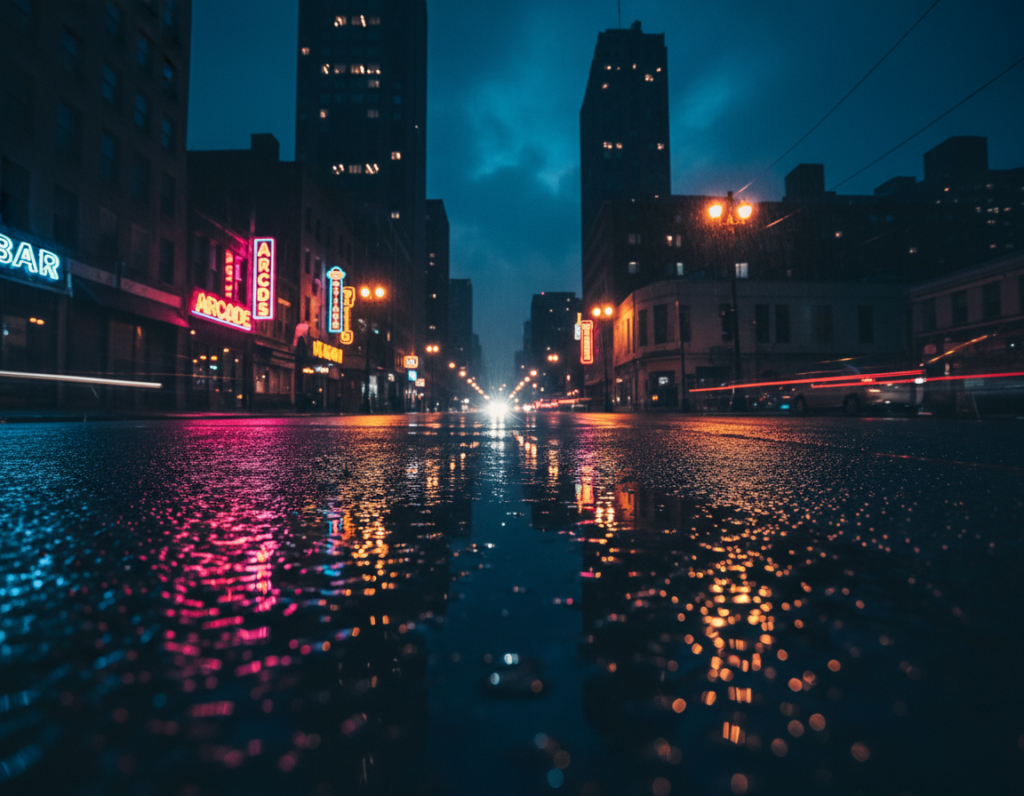
Look for wet pavement, glass storefronts, or polished metal. Reflections amplify light and make phone images look richer.
Choose a clear subject and keep a clean frame
Decide the subject before motion starts: a silhouette by a corner, a cyclist at a stop, or a landmark that anchors the shot.
Remove clutter by changing angle or taking a step. A simple frame helps streaks read as intentional lines, not chaos.
Use light and time to control mood
Expose for bright signals to avoid clipping and use exposure lock when the camera fights the scene. Soft sunrise or sunset tones help sensors with limited dynamic range.
Rush-hour gives dense, layered trails; blue hour balances sky and street lamps; sunset brings warm, cinematic calm. Match the time of day to the story you want to tell.
Tip: Scout like a photographer—notice where the scene simplifies and where light separates the subject from distractions.
Mobile techniques to capture flowing traffic lights and urban motion
Small adjustments in angle, support, and timing change a busy street into a readable, motion-rich scene.
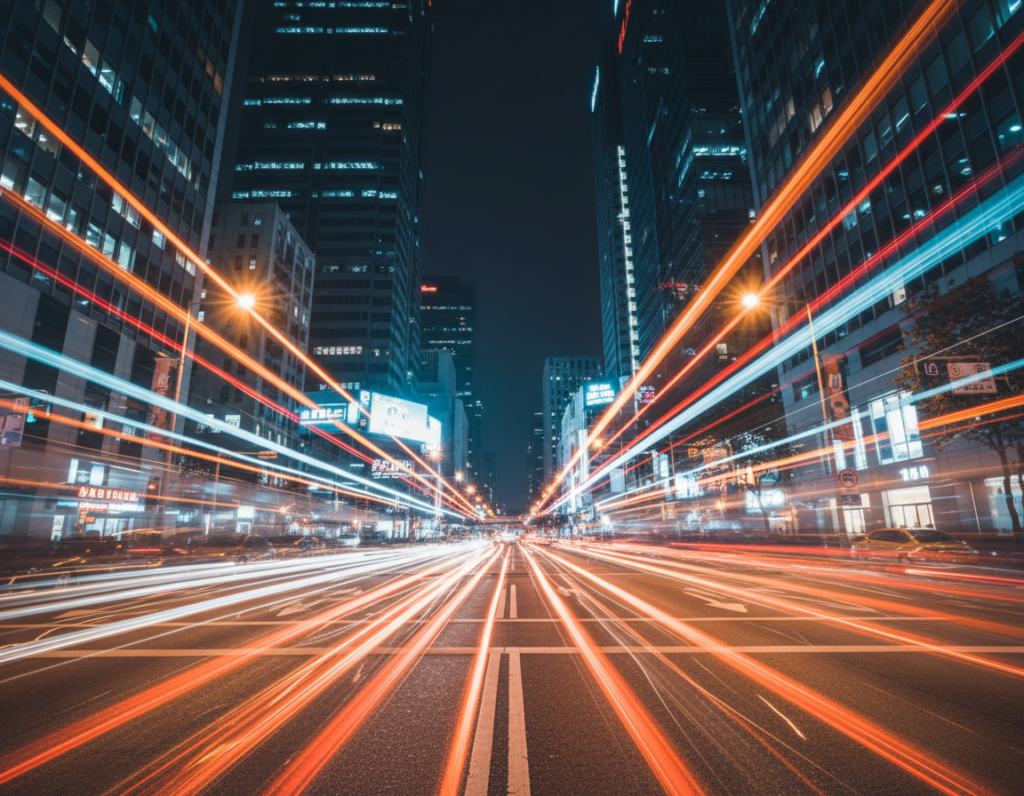
Create long-exposure style trails with phone modes and steady support
Step-by-step: enable Night or Long Exposure mode, stabilize with a mini tripod or brace your elbows, and pick a run of cars to pass through the frame.
Choose a curve for sweeping trails or an intersection for layered streaks that show direction and change.
Pan to separate your subject from distractions
Track a car or cyclist at a steady speed so the subject stays relatively sharp while the background streaks. This reduces clutter and adds speed cues.
Freeze the moment when gesture matters
Switch to a faster shutter when a single gesture tells the story—someone stepping into a crosswalk, a hand raised, or a taxi door opening.
Zoom and intentional camera movement for creative images
Use a gentle zoom or ICM on neon blocks or wet streets to make energetic abstracts. These work best at night or near reflections.
Work the scene: shoot variations in angle, timing, and distance, and overshoot (20–50+ frames) to find the decisive shot.
- Keep the lens clean and tap-and-hold to lock focus/exposure.
- Stay discreet: use “tourist mode” or hip shooting to capture honest moments.
- Practice often and use fast camera apps for responsive shots; see a short guide on motion methods here and a quick intro here.
Edit and share for consistent, story-driven street images
A steady post-process routine turns scattered shots into a coherent street series. Decide on one VSCO-style preset family (A-series like A6 is reliable) and use it across projects to build a visual voice.
Keep a repeatable look with presets
Pick one look and stick with it long enough that viewers recognize your series. A consistent approach helps your camera work and street images feel like a connected story over time.
Refine in Snapseed
Use this quick checklist to finish a photo: straighten the horizon, crop to improve the frame, raise contrast to make trails pop, and use selective edits to guide the eye.
Embrace grit and monochrome
When sensor quality limits color fidelity, convert to high-contrast black-and-white. Noise becomes texture and motion reads clearer in a gritty image.
Tip: Post your best photos, ask specific critique questions, and focus on conversation with other photographers rather than pure likes.
- Revisit “almost deletes” later — better crops can redeem shots.
- Control highlights, lift shadows carefully, and tame color cast from street light.
- Share for feedback and growth; engagement beats vanity metrics.
Conclusion
The strongest images begin with your eyes and a clear idea, not a pricier camera. Street photography rewards simple planning, steady timing, and deliberate technique more than expensive gear.
Photographers gain by shooting often. A phone or small camera stays with you, keeps shoots discreet, and helps you build instinct for motion and timing. These practical advantages make practice repeatable and honest.
Train your eyes for composition and watch light first. Decide whether a scene needs trails, panning, or a frozen moment to tell its story. Keep a repeatable workflow: shoot, review, edit, and share for feedback.
A great photo stands on emotion and clarity. Keep going—the street keeps offering new motion stories every time a photographer steps out to make an image or shot.